
In partnership with

Editor’s Note: The Great Con II continued with the president creating a peace committee of the world’s grifters and then moving billions in public taxes to pay for it. He then dismantled federal authority to regulate greenhouse gas emissions despite scientific consensus on climate change risks (which means our kids will deal with the outcomes from creating energy by burning, something proven to be no longer necessary to creating energy). He stripped job protections from 50,000 federal employees, making career civil servants easier to fire, right at a time that AI is already coming for millions of jobs not protected by America’s shared wealth (that’s what social security programs are supposed to be). Finally, an order allowed the detention of tens of thousands of lawful refugees (including people who have been friends to the United States), showing that the whims of one man can damage the good moral character that the U.S. has built over centuries.
Standing on the beach at Normandy this summer, I took a moment to reach down and run my hand through the ocean water. The water was surprisingly cool for it being July. I picked up a small stone worn smooth by decades of tides and held it in my palm. I looked out at the water and then back toward the long run of beach and the concrete pillbox with its long, rusted “88” anti-tank gun barrel still intact.
Despite my best efforts, I could not imagine what it must have felt like when almost 160,000 troops waded through these same waters on June 6, 1944. The fear must have been inhuman. The noise, the blood, the smell, and the death are unimaginable.
Dwight Eisenhower sent a message to those troops the morning of the invasion. "The eyes of the world are upon you," he wrote. "The hopes and prayers of liberty-loving people everywhere march with you."
He was right.
In that moment, America stood for something that was beyond borders and self-interest. The invasion wasn't just a military operation. It was a statement: we are willing to risk everything to protect the principle that people should not be subject to the whims of a tyrant and a despotic regime.
That statement carried weight for decades. We held it through Korea, reinforced it during the space race, and built a postwar order around it. The Marshall Plan that helped to rebuild Europe wasn't charity. It was the idea that rebuilding defeated enemies was both right and wise and good for the world.
We have struggled to maintain this national pride and vision for good.
The erosion didn't happen overnight.
Vietnam started the fracture; a use of resources based upon lies and ego. The Cold War's end with the Soviet Union seemed to offer a moment of renewal. But somewhere between the Gulf War and the present moment, something fundamental broke. The United States stopped being the country that did hard things for the right reasons. We became a country that measures worth by earnings.
An Ipsos poll conducted last year found that belief in the United States as a force for good has collapsed in 26 of 29 countries studied. In Canada, the plunge was catastrophic: from 52 percent believing in American positive influence to just 19 percent in six months. For the first time in a decade of measurements, China now ranks higher than the United States in how many countries see it as a positive global force.
This isn't just about polling numbers. It's about the slow death of American credibility.
Our handling of Gaza is another example. We watched our government give a pass to Israeli actions that independent human rights organizations described as violations of international law. We are now applying rules so selectively by the whims of this president that even our closest allies now plan around us, assuming we cannot be trusted.
Martin Luther King Jr. understood the trade-off of morals intimately. In 1963, from his jail cell in Birmingham, he addressed eight white ministers who had criticized his demonstrations as "untimely" and "unwise." These were religious leaders, people who should have embodied the moral principles they preached. Instead, they were willing to accept injustice as long as it didn’t impact them or their flock.
King's response was devastating because he showed them their own hypocrisy. They wanted Black Americans to accept supporting laws and conditions that ensured Blacks suffered. What King called them on was the gap between their professed values and their actions.
Does this sound familiar?
That’s where we are today. America professes to believe in democracy, human rights, and the rule of law. We at one time condemned Russia for an unprovoked invasion and civilian casualties in Ukraine. We at one time ensured allies like Afghanistan interpreters and their families would experience the freedom of the United States if things didn’t work out. We routinely spent billions to eradicate disease around the World and make sure youth everywhere had access to news and information outside of homegrown authoritarian controls.
That’s what real moral power looks like.
Now we are cozying up to the world’s worst humans; men like Putin, Kim Jong Un, Xi Jinping, Duterte, bin Salman, Orban, and Bukele. Men who cage, silence, or kill their own people. The entire world sees these things and has stopped believing the US is an exceptional nation.
The Trump administration has sped up this decline by treating moral principles as a weakness. So we arrive at 2026, and the question King posed remains unanswered: when will the people in positions of authority say enough is enough? When will moral judgment override political convenience? When will we remember that the stone from Normandy beach is smooth not because of time alone, but because of the blood that ran across it?
That stone reminds me that someone once believed the principles of freedom were worth dying for. Today, the world is telling us, in hard numbers and cold polls, that it no longer believes we are worth trusting. We can shrug, blame “the media,” or our enemies, or the complexity of the world. Or we can decide, in our classrooms, our offices, our congregations, and our voting booths, that we will not be ruled by a man who has openly admired tyrants more than patriots.
The high ground will not be reclaimed by the current regime. It will be reclaimed when we choose character over the ‘art of the deal.’
Become An AI Expert In Just 5 Minutes

If you’re a decision maker at your company, you need to be on the bleeding edge of, well, everything. But before you go signing up for seminars, conferences, lunch ‘n learns, and all that jazz, just know there’s a far better (and simpler) way: Subscribing to The Deep View.
This daily newsletter condenses everything you need to know about the latest and greatest AI developments into a 5-minute read. Squeeze it into your morning coffee break and before you know it, you’ll be an expert too.
Subscribe right here. It’s totally free, wildly informative, and trusted by 600,000+ readers at Google, Meta, Microsoft, and beyond.
NO BS HITS
This piece has moments of humor, but it is a conversation well worth having.
I recently attended a talk on AI and robotics where a researcher discussed this very problem. While robots are coming, it is the hands that are hardest to get right.
Parents, a hundred conservationists and scientists were asked about the books that inspired them in their youth.
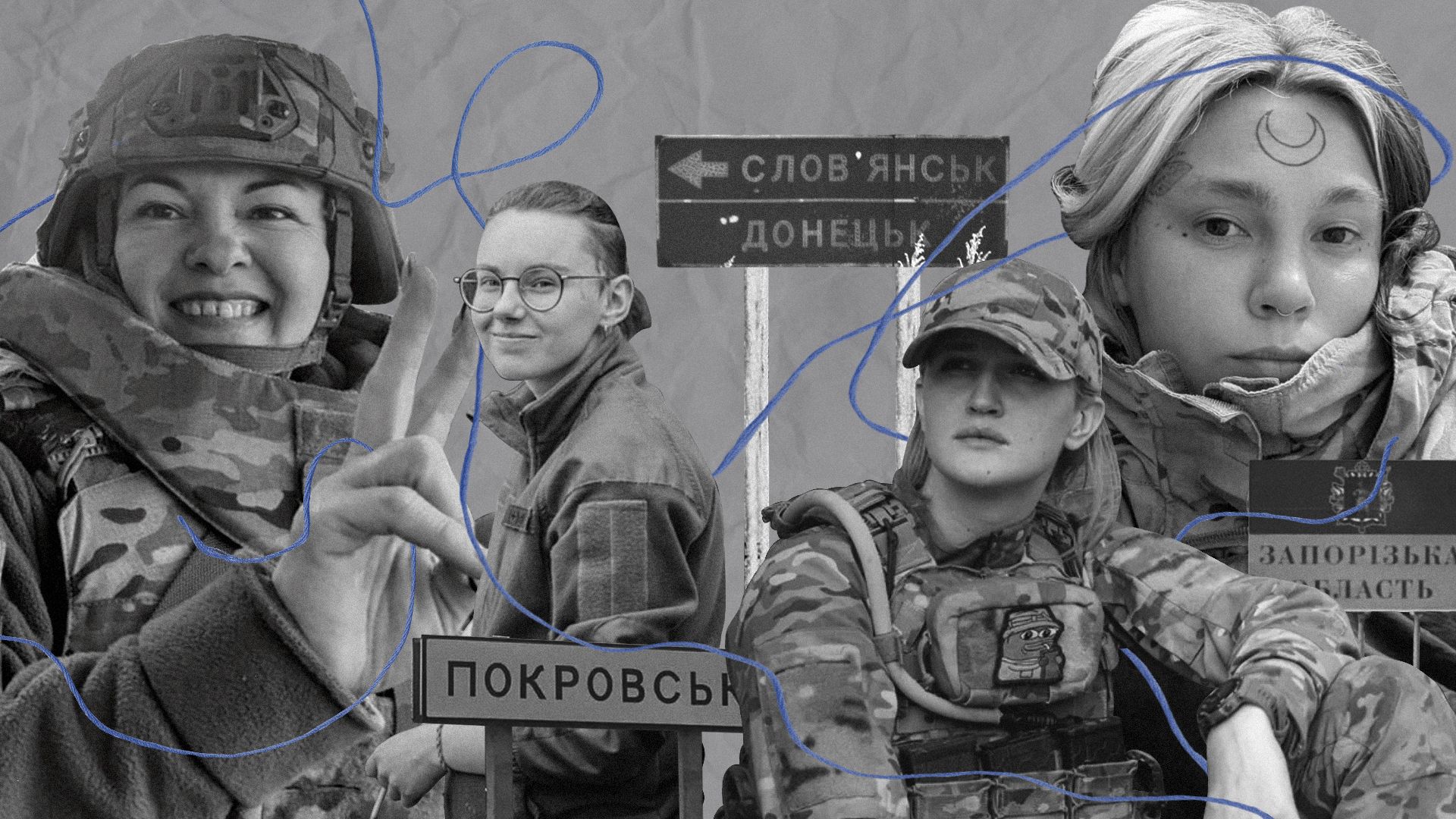
This one really got me. Our current administration has worked overtime to downplay what Ukraine has accomplished with our help and the help of the free world. We have ignored Putin’s invasion, his butchery of his own people, and the fact that North Korea has sent thousands of troops to assist in his war.
Considering the obscene sums we spend on defense and the military, I would argue we have seen a phenomenal return on our investment in Ukraine’s defense. We must not forget patriots like these women. This is a just war. If we shifted from our current posture of feckless, transactional “what’s in it for me” support to a posture of real, sustained solidarity, our standing in the world and with the Ukrainians would change almost overnight.

Whenever you think you know history, something like this comes along. I can hardly imagine going to the movies without getting popcorn. There are even times I have no plan to buy any, and the aroma alone pulls me to the concession stand. When I traveled overseas, I remember being amused the first time I came across sweetened popcorn in a theater. I love the history shared here; it shows how long movie theaters have been woven into the American experience.
The future of movie‑going will probably include more exotic features such as moving seats, fragrances, and wind to create a more immersive experience. I’ll support whatever keeps these social gathering places alive. Popcorn, in all its increasingly strange and wonderful flavors, will almost certainly still be there, reminding us that sometimes the smallest rituals are what hold a shared culture together.
And Now….
If you enjoyed today’s Porcupine, please share, like, and comment. That’s the best way I grow subscribers. This week, I’ve been reading about the geography of nations and taking time to remember Rev. Jesse Jackson, another American patriot I got a chance to hear and meet almost two decades ago. In his life and his goals are the America that we have built and are still building. It is part of our foundation and our DNA, not to be hidden, removed, sold, or disparaged.
Keep up your own reading and progress. Continue to practice your gratefulness.
Always strive to be a good human.

“Never look down on anybody unless you’re helping him up.”