

Editor's Note: At this time of year, when we typically meet up with friends and family in a spirit of love and remembrance, I'm sorry to see more gun violence take good and innocent people. Please remember that we create the type of society we want. Whether it's access to weapons, inciting division, allowing the growth of wealth inequality, or prioritizing profit over mental health care, we can decide the direction to go. We decide.
This week, as a cold front set in, our daughter took it upon herself to rescue the monarch caterpillars outside our back door. She found an old aquarium, bought some milkweed, and moved them to their new home. There was no question or discussion; she simply did it.
No matter what GPA, job, or social media prowess your child achieves, this is the exact outcome you want to see: an impromptu show of initiative and empathy. An act of kindness. If this occurs, you've done your job. All else that is good will follow from that.
I cannot say with certain what led to this behavior. One thing I’ve noticed is you almost have to fight to ensure kids have unstructured moments. Our children’s lives have been far different from what ours were. By the time my daughter turned seven, I realized things like getting lost, wandering too far from home, or missing the bus; these accidental adventures of childhood are vanishing fast.
There are so many things our kids will never do, and while some of these losses are genuinely good, others signal a profound shift in how childhood is experienced today.
One 2018 survey revealed that the average American child spends less than five minutes a day in unstructured outdoor play.
Five minutes.
Instead, kids get overly scheduled for convenience and safety, with time left unsupervised getting consumed by screens.
Some will say this is just responsible parenting in a stranger-danger world. Even having kids on screens at home beats not knowing where they are. However, statistics show rates of child abduction and violent crime are far lower than in previous decades.
That means the world isn't more dangerous; we just have more media and religion banking on the parental power of fear.
Before smartphones, calling a friend meant going through a gatekeeper, which was typically a mom’s job. You learned phone etiquette and small-talk skills with adults. And if no one answered the phone, you might simply walk to their house. The journey itself filled the time and the boredom.
This kind of social friction taught patience, humility, and initiative. Today’s kids text entire friendships into existence without ever once going to a house or speaking out loud to them. While some might contend that this is just the new social skill, there's growing evidence that this texting-first culture is contributing to rising teen anxiety and stunted interpersonal communication. Actual talking, face to face, matters. Ask any teacher.
Then there’s mutual interests to consider. There was a time when your social capital rose or fell based on how many episodes of Saturday morning cartoons you could binge-watch. As I recently told my kids, if you missed the Peanuts Christmas Special on television, you had to wait another year. You couldn't hit pause. You had to be on the couch at precisely the right time.
Today's "on-demand" culture has almost completely erased routine anticipation. No kid will know the agony of missing Scooby Doo because their sibling hogged the TV. No one's feeling a sense of scarcity. Maybe what's emerging is a kind of cultural fragmentation. Ask the average 13-year-old what show everyone's watching and you won't get a unifying answer. Shared culture thins out when everyone lives in their own echo stream.
When I toured colleges in the 1990s, I got lost on campus, asked strangers for directions, had a bagel and cream cheese for the first time, and eavesdropped on students in the dining hall. Directions were on paper. Now, high school juniors tour campuses on TikTok and ask AI to summarize each school’s “vibe.” There’s less hands-on exploration.
All this convenience comes at a cost. There’s no going through nervous discovery because the knowledge now always precedes the experience. In my current position, I get the sense that many youth have a hard time when it comes to expectations because things have become so simplified. Not necessarily better or correct, but easier.
Boredom is nearly extinct. In the backseats of minivans, in waiting rooms, at siblings’ ballgames, children today press a screen. But here’s the twist: boredom has a purpose.
Studies have found a strong positive link between boredom and idea generation. Think about it. Boredom is the mind's way of entertaining itself, of reaching inward. Most of us adults yearn for free time to let our minds wander without constraint. Kids need that, too.
This isn’t a screed about “kids these days” or some golden age of freedom, but it is a reminder that all new conveniences come with tradeoffs. Kids today are communicating in ways far more connected and immediate than we ever could. They build online communities way beyond a neighborhood. They have more sensitivity to issues that previous generations addressed only stubbornly.
This type of progress is something to admire, but we shouldn’t rely on that being a sign of optimal health. If we take away all the small frictions of being lost or forced to figure things out, we risk impacting how the internal compass is formed.
Our kids may never drink from a water hose or crash a bicycle down the embankment of an empty retention pond (been there, done that). They may never knock on a friend’s door unannounced or get stuck in the mall with no phone and a dollar in quarters. But maybe, if we allow it, they'll find their version of those things through other unscripted and unstructured moments that don't fit in an app or arrive with one-day shipping.
Maybe the point isn’t to replicate the experiences we had, but to make sure their future still leaves room for a little chaos and the ability to respond to it.
NO BS HITS
Shouldn’t you be able to fix things you own? This group thinks so, and rewards those who figure out how to.
You know what we need more of? Truth tellers. AI and social media combined with a federal administration of graft, whistleblowers are more important now than maybe ever before.
This is the perfect story to read right now of how a chef noticed one of his regular customers wasn’t showing up.
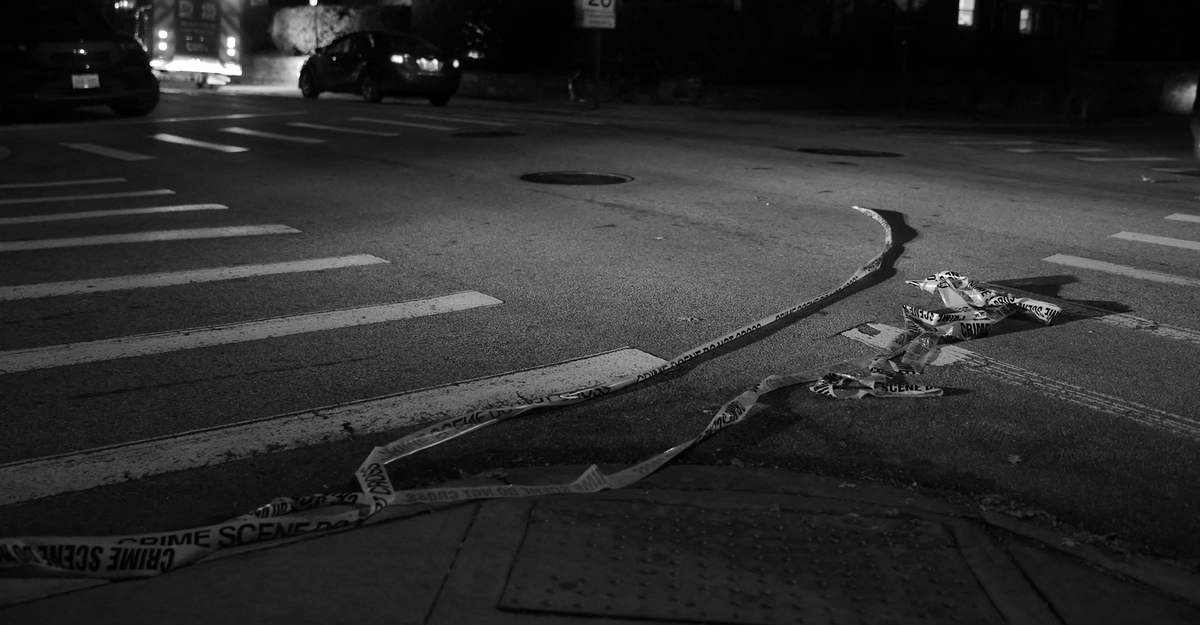
Every time we have an unfortunate event such as the Brown University shooting, the optimist in me hopes this will be the moment we wake. If we were to follow science and data, we would have significantly better gun control laws in place that would protect hunters but prevent predators. Instead, what we are going to get is a more prison-like feel of public places.
That’s not the solution.
This is a broad public health issue. Ignoring the obvious is politically expedient but an injustice to our communities.


I’ve watched for four decades now as malls have struggled to maintain a hold in the lives of American youth. It was a big deal to be a teenager and go to the mall in my day. Now, it’s not the gathering place it once was. Corporate mismanagement, cultural shifts, and missed opportunities left a lot of retail businesses behind, but one of the biggest factors that doesn’t get discussed is public safety. It’s not all just economics. I think there is a strong connection between the lack of gun control and the abandonment of public places like malls. Address that and you get multiple positive outcomes.
And Now….
Have a Merry Christmas and a great holiday.
I hope you get some time to walk, read, remember, and reflect. Hope and progress spring from continually sharpening your senses.